The Keys to Achieving a Real Cinematic Look in Your Photos
Introduction: The Problem with Modern Digital Perfection
Today’s modern digital sensors are undeniably true marvels of engineering. They are capable of capturing light and detail with a relentless resolution and precision that was previously unimaginable. However, this obsessive pursuit of technical perfection has brought a noticeable side effect to the photography industry: a clinical and often sterile aesthetic that fundamentally lacks "soul". As photographers, we currently find ourselves immersed in a sea of hyper-sharp but emotionally empty images, where digital photography runs the risk of becoming a generic product completely devoid of atmosphere.
If you want to stand out in this oversaturated visual landscape, the undeniable trend is to look backward in order to move forward. Achieving a real cinematic look means returning to the 35mm analog aesthetic. This is not a simple passing fad, but a fundamental, educational tool for building a unique and recognizable visual identity. Traditional celluloid has a character of its own: it breathes through its subtle imperfections and the tonal richness of its shadows. Emulating film is, in essence, restoring narrative and emotion to the image. To do this, you must adopt "The Cinematic Workflow," a meticulous approach where color grading is a process of visual engineering, not chance.
Key 1: Mastering Neon Noir and The Halation Effect
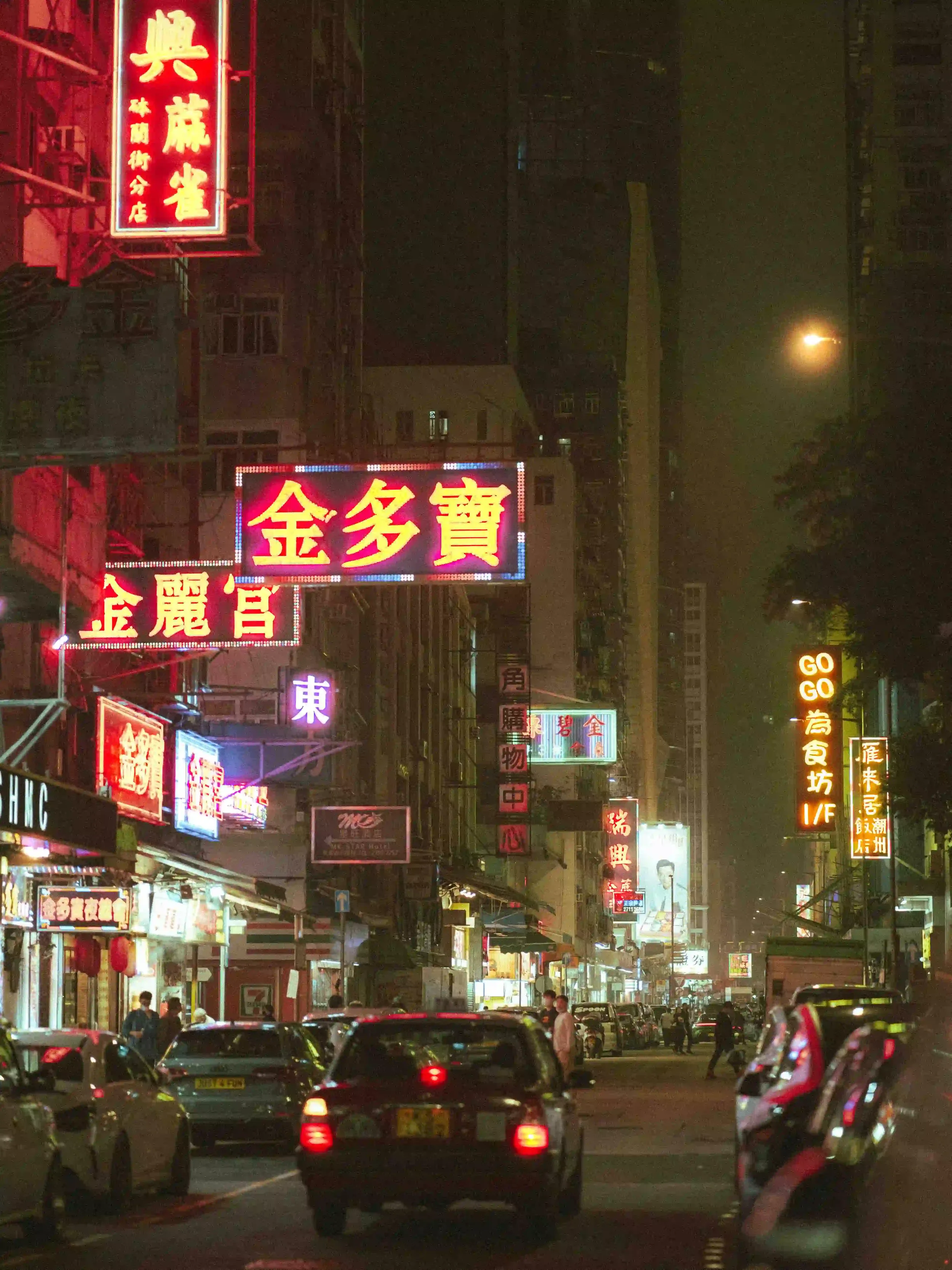
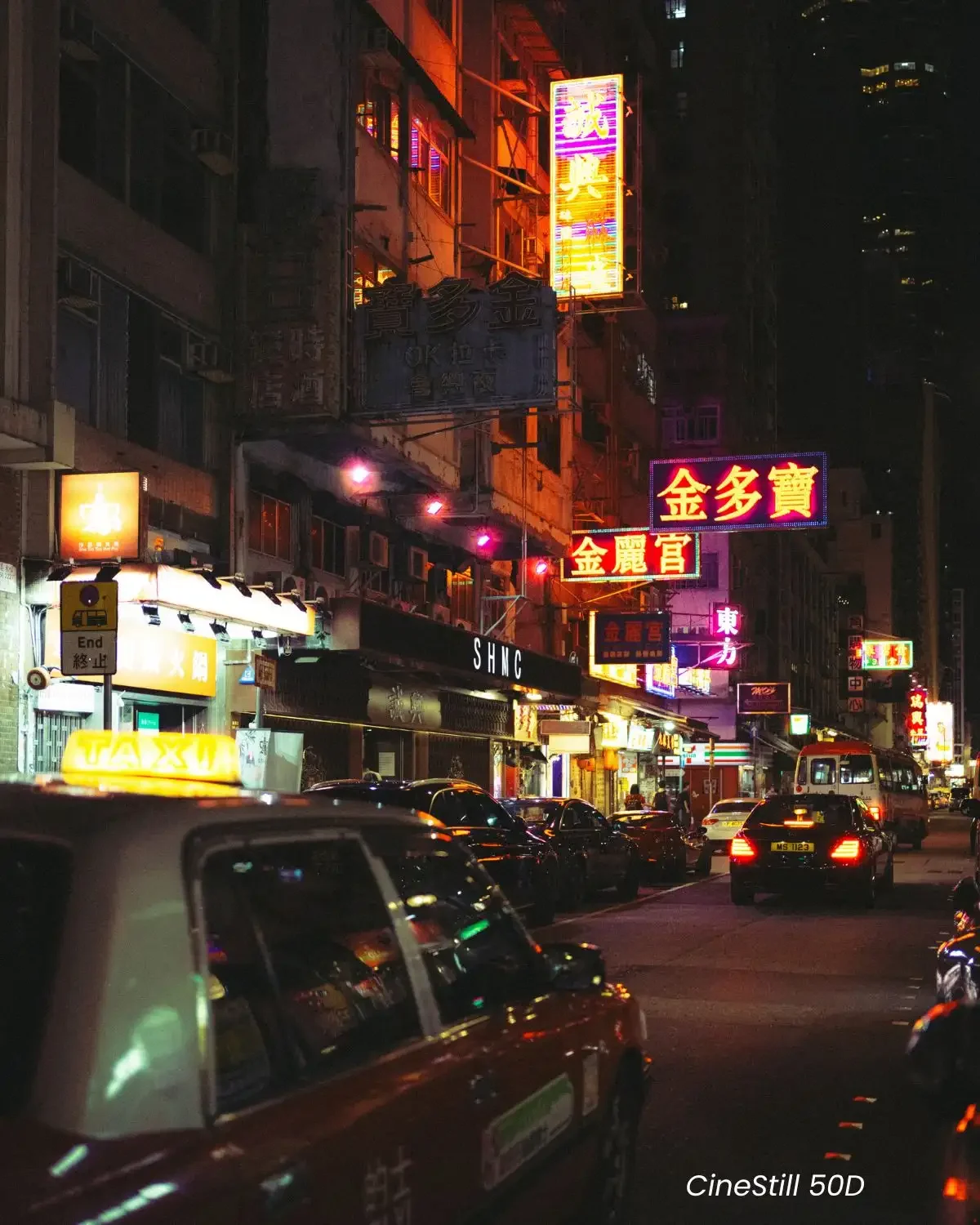
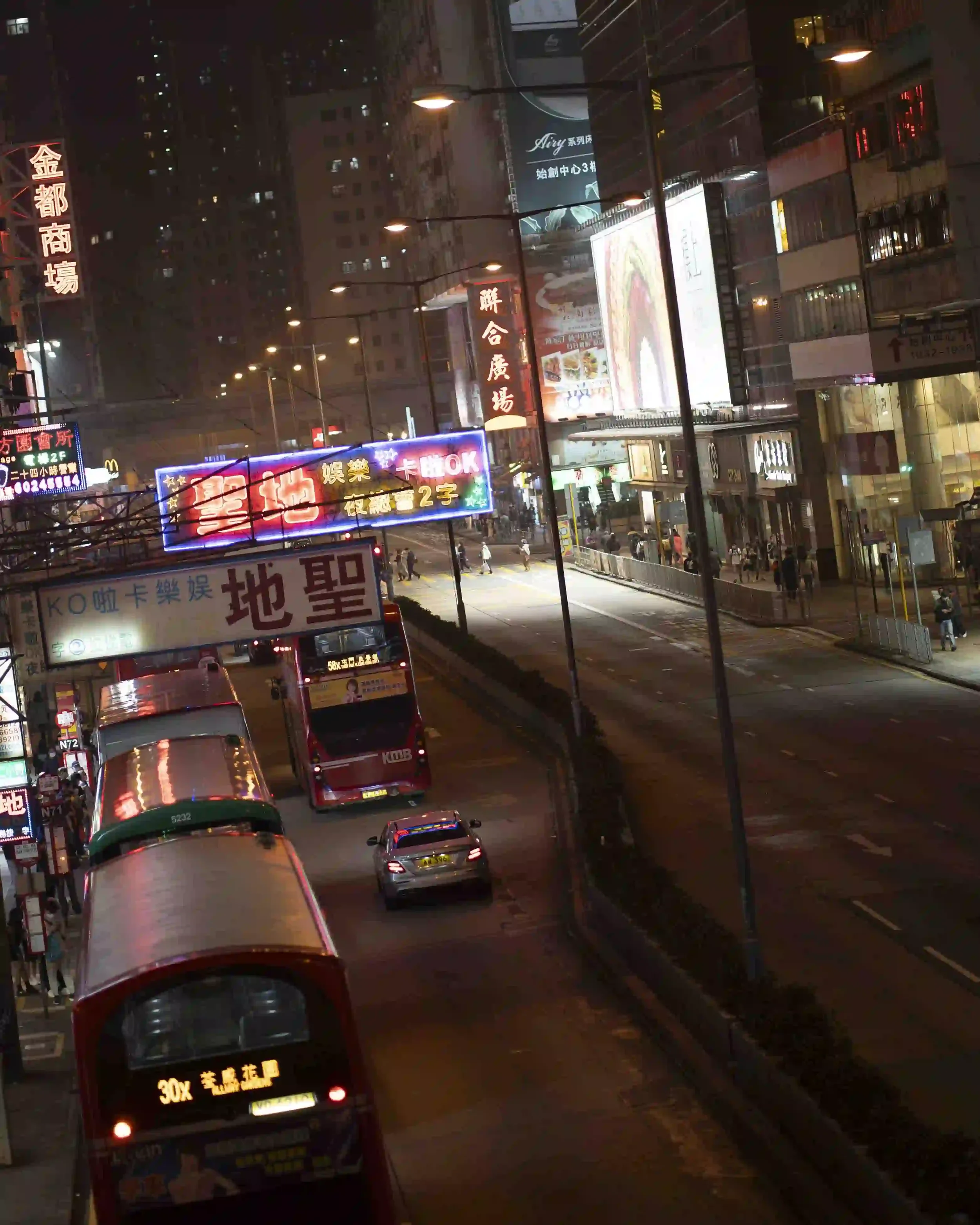
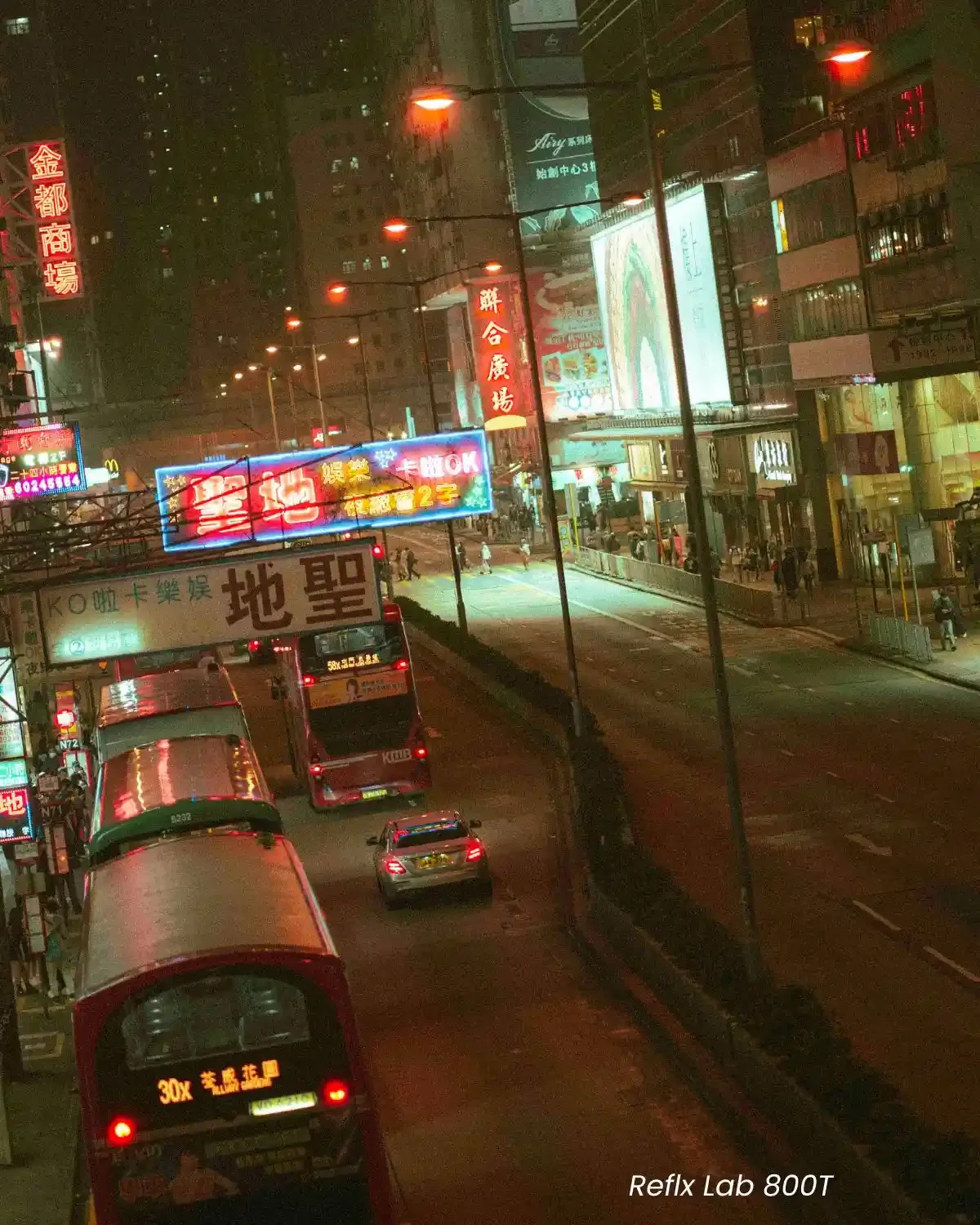
The first key to a cinematic workflow involves mastering night photography. Currently, urban visual culture is captivated by the "Neon Noir" aesthetic. As creators seek to break free from sterile digital perfection, the moody, high-contrast allure of neon-lit nightscapes has become the ultimate visual language for modern storytelling, evoking the atmospheric energy of restless metropolises and cyberpunk cityscapes.
To achieve this look, you must understand a physical phenomenon known as 'Halation'. In traditional 35mm celluloid, intense light sources—like glowing neon signs or streetlamps—penetrate the film's emulsion and bounce back. This creates a distinct, organic red glow around the highlights. This beautiful imperfection gives analog night photography its unmistakably nostalgic and breathing character. Trying to replicate this digitally often destroys the image's dynamic range. However, utilizing precise color engineering tools like the CineStill 800T or Reflx Lab 800T presets, paired with a Custom Halation Brush natively in Lightroom, allows you to effortlessly bleed warm red tones into your highlights while maintaining pristine control over your dynamic range. This elevates your urban nightscapes into true, atmospheric masterpieces.
Key 2: Harnessing Nostalgic Daylight and Organic Contrast
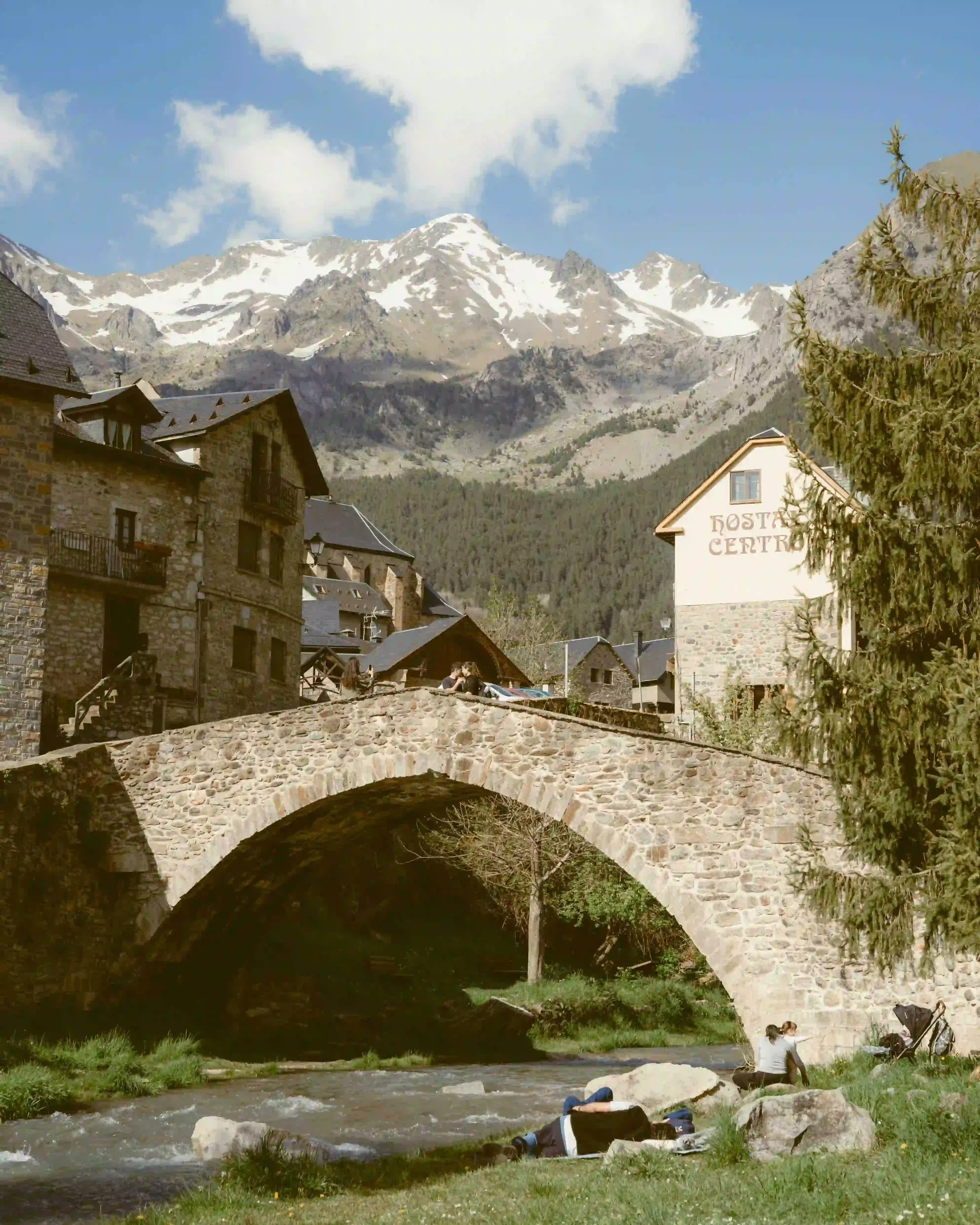
The second key focuses on how you handle broad daylight. Modern street and travel photography is increasingly rejecting the flat, overly perfect color palettes produced by contemporary digital sensors. Creators are realizing that clinical sharpness often strips a sunlit scene of its inherent emotion and atmosphere.
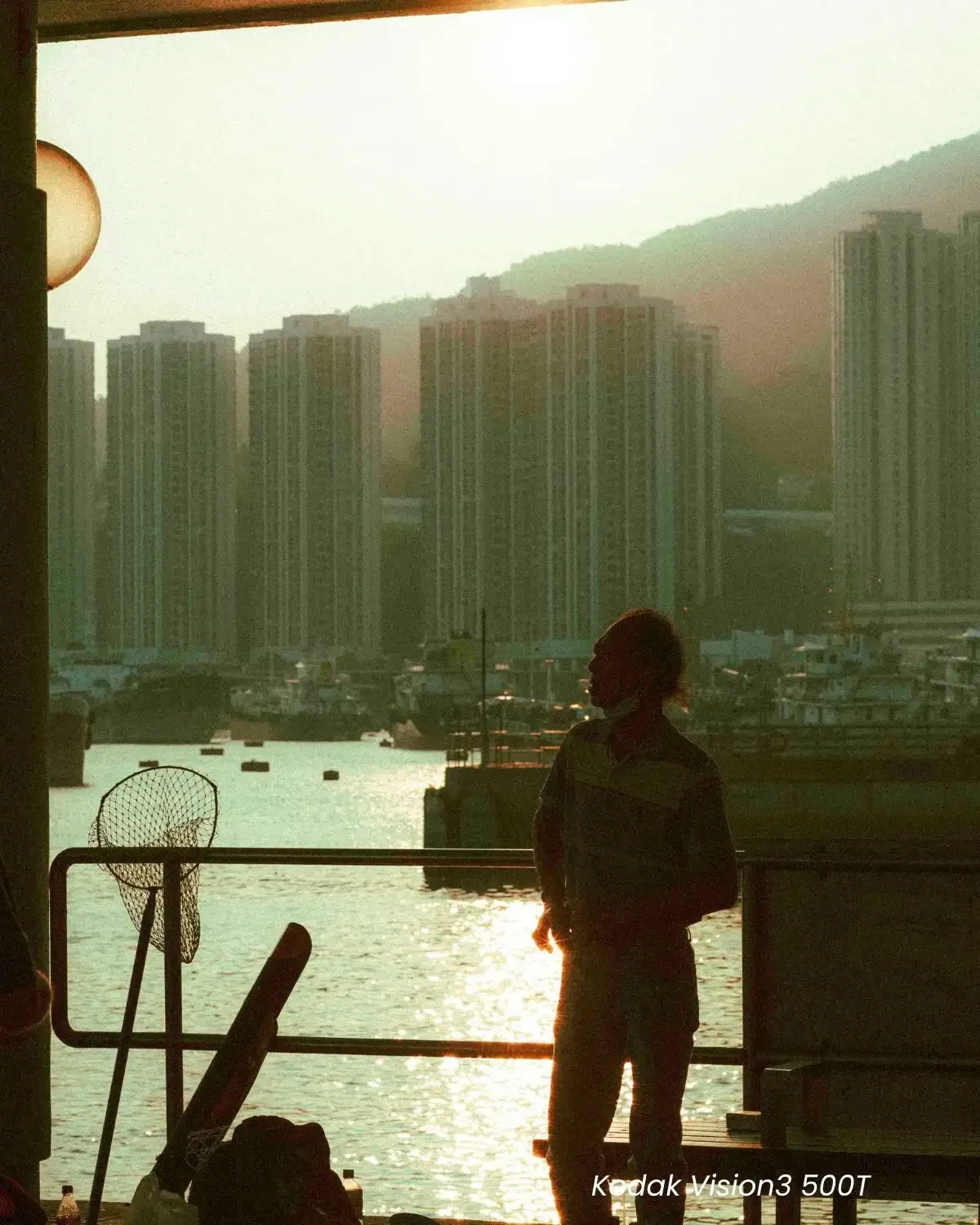
Instead, the photography industry is embracing a resurgence of vibrant saturation, organic contrast, and the undeniable nostalgia of classic 35mm travel films. Today’s visual storytellers seek images that feel lived-in and breathe with the vivid warmth of a sun-drenched afternoon. To master the unforgiving nature of direct sunlight, you need legendary daylight film emulation. Tools like the Kodak Ektar 100 preset are engineered for ultra-vibrant colors, effortlessly rendering deep, cinematic blues and rich, warm reds to bring flat landscapes vividly to life. For a more refined touch, using an emulation like the CineStill 50D preset delivers exceptionally fine grain and clean tones, ensuring your highlights roll off smoothly even in the harshest midday daylight. These are not mere filters; they inject soul back into your daytime digital captures.
Key 3: Embracing the Gritty Aesthetic and Imperfect Nostalgia
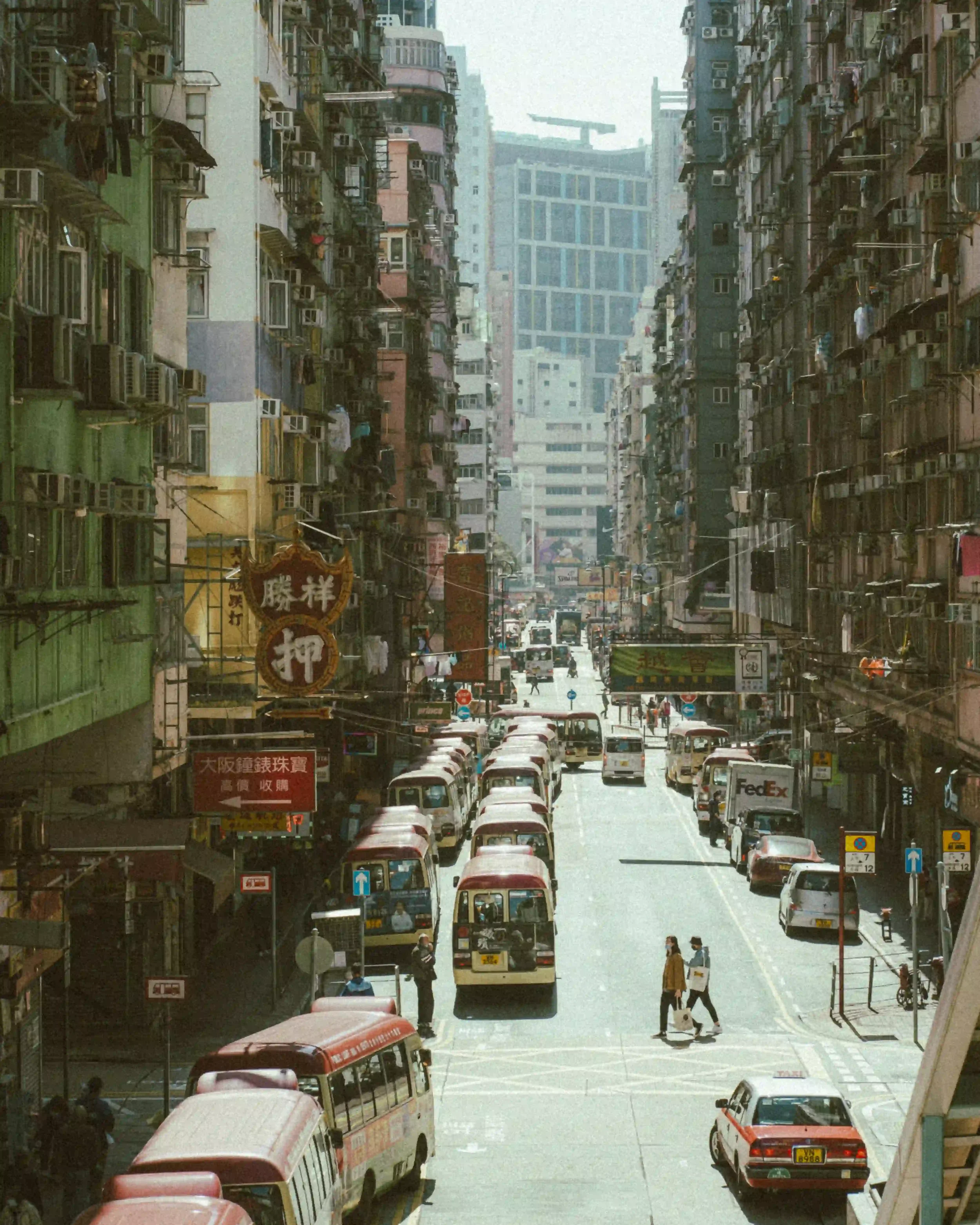
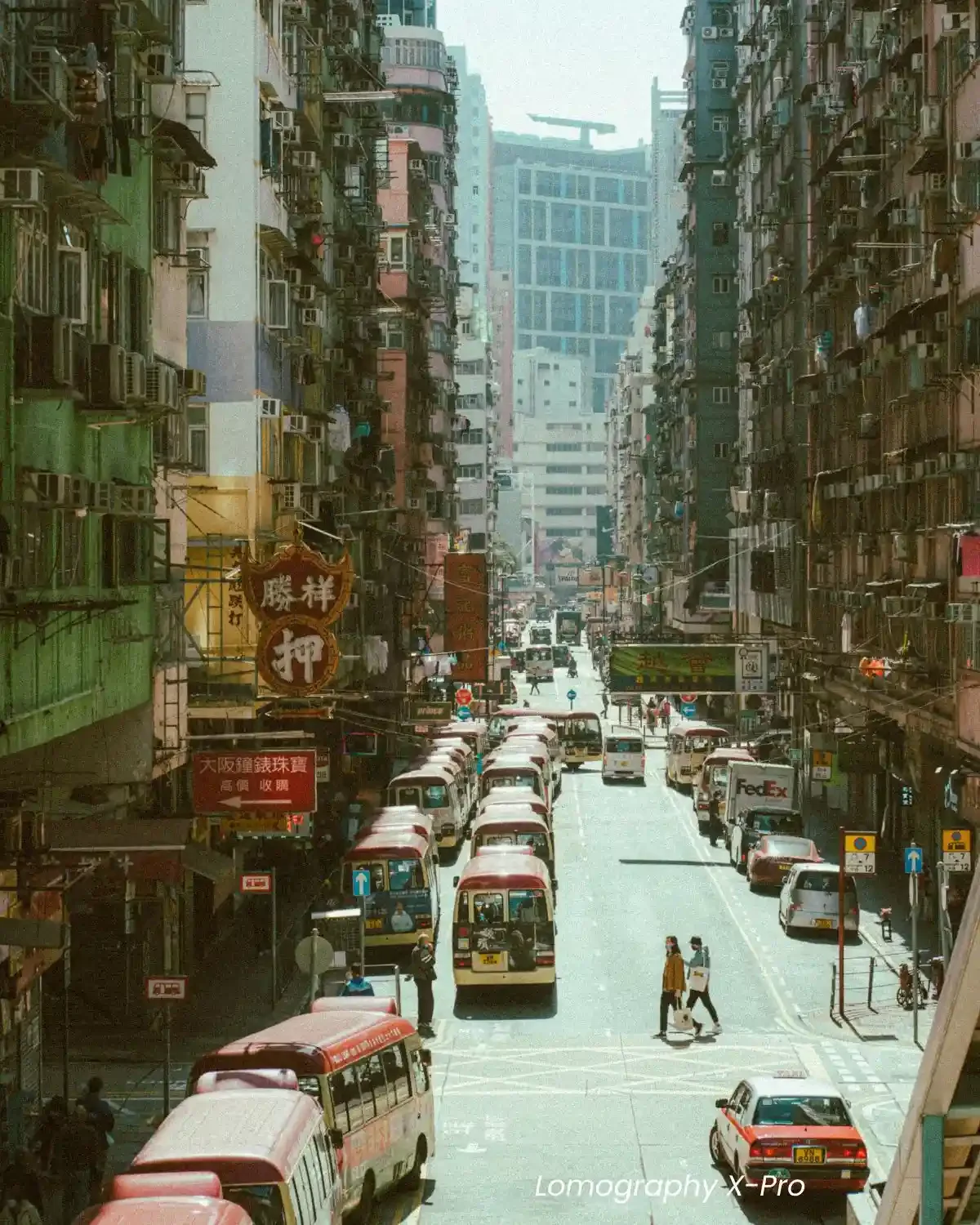
The third major visual trend is a definitive rebellion against the overly "pretty" and polished digital look. Modern visual storytellers are drawn to the raw, the urban, and the unapologetically imperfect because true atmosphere is often found in the grit.
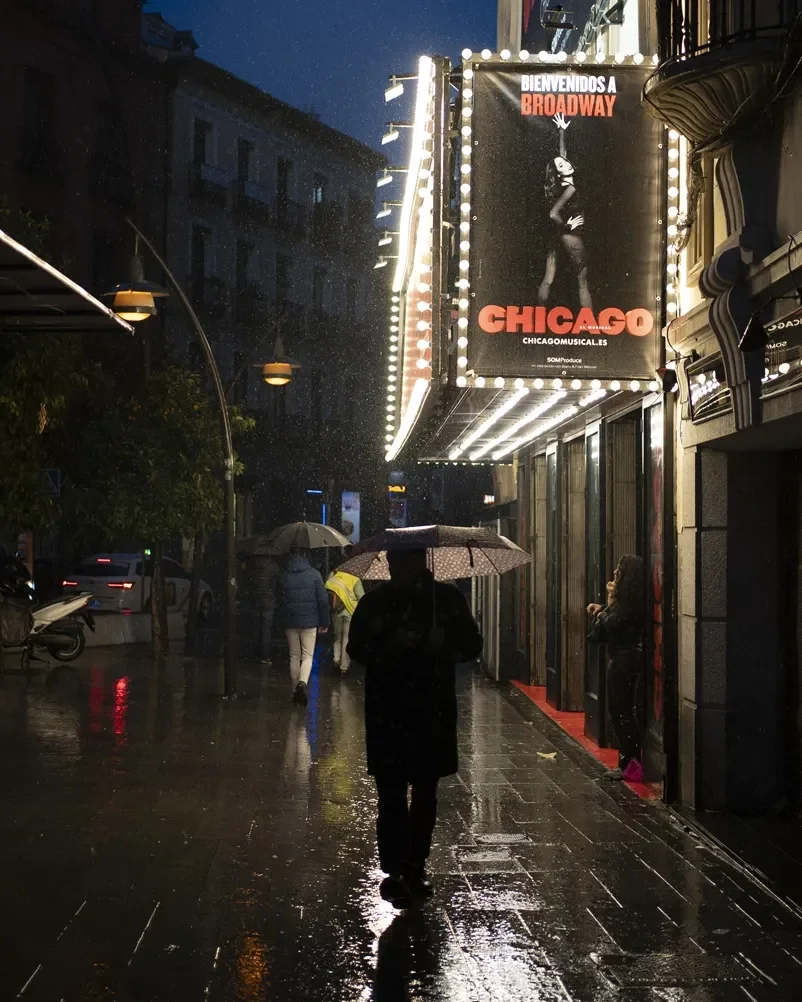
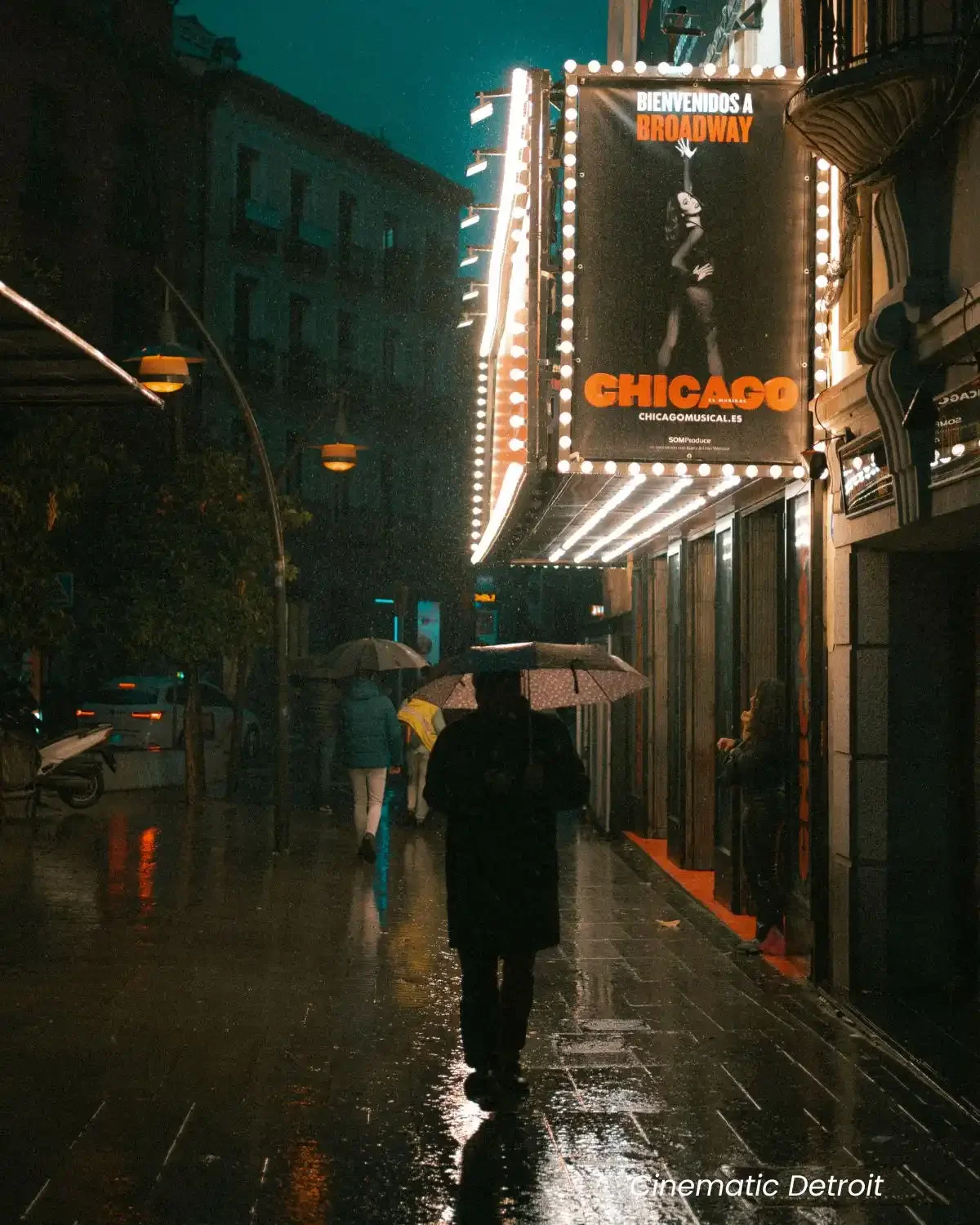
This aesthetic is characterized by dense, crushing shadows, heavy organic grain, and saturated yet deeply melancholic color palettes. These are the unmistakable hallmarks of retro street photography and the beautiful, unpredictable nature of expired 35mm analog film. Replicating this complex, character-rich look requires precision, utilizing tools like the Lomography X-Pro preset. This transforms uninspiring urban scenes into evocative frames that breathe with a raw, lived-in atmosphere, proving that visual imperfections are not flaws—they are powerful narrative tools.
Conclusion: Quality Over Quantity
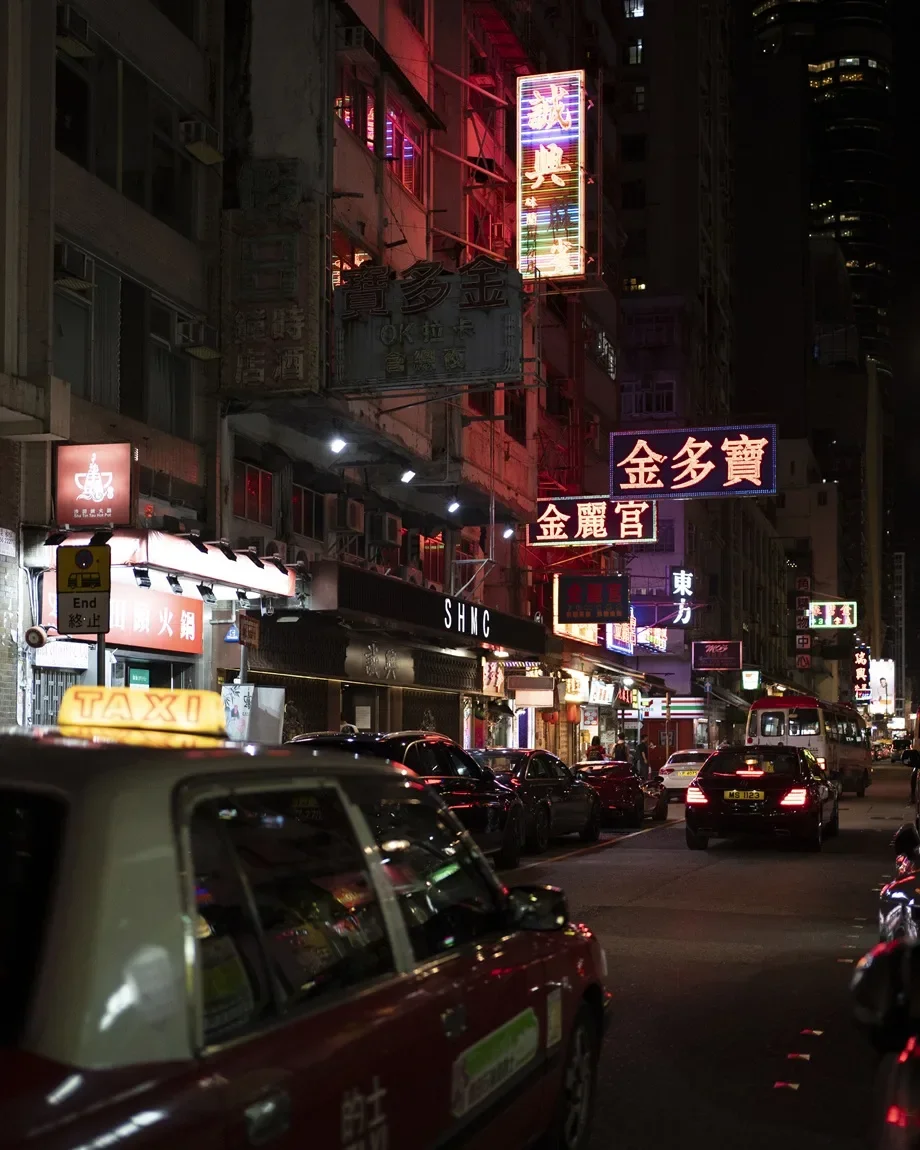
The digital editing market is currently saturated with massive "megapacks" of 400+ random presets that promise instant perfection but ultimately deliver nothing but decision fatigue and generic results. True visual identity is never found in endless scrolling. It is built with intention, utilizing a strictly curated and cohesive color palette that defines your unique artistic voice through pure visual engineering. The Signature Collection (Master Bundle) provides a definitive suite of 26 rigorously tested tools to dominate any lighting scenario without destroying your dynamic range.


Call to Action
Stop guessing and start engineering. It is time to elevate your digital files into authentic cinematic masterpieces. If you want to dive deeper into color theory, master your light, and claim your definitive visual identity, click here to download your free '2026 Cinematic Guide' today!
